Carrying twins, triplets, or more is the most thrilling yet very delicate time for expecting parents. Pregnancies over multiples create greater complications with pregnancy and pose risks. A good understanding of these risks and the care that would be required to ensure a healthy pregnancy and delivery make it much easier for the mother and babies.
Risk Factors of Multiple Pregnancy
Generally, multiple pregnancies make greater demands on the mother's body. The more the demands, the higher the risk chance of certain complications. Here are major risk factors to anticipate from a multiple pregnancy:
Premature Deliveries The biggest risk that most women carrying multiples have to contend with is birth that happens before 37 weeks of pregnancy. Indeed, more than half of twins and nearly all triplets are born premature. Premature birth can cause complications that range from arrested development of the lungs, feeding difficulties, to susceptibility to infections.
Low Birth Weight Multiple births tend to deliver earlier. That’s why they may be lighter than babies that are carried full term. Low-birth-weight babies often suffer from the problem of retention of warmth, feeding problems, and risk of infection.
Preeclampsia Women who carry more than one baby are at greater risk for preeclampsia, which in itself can be identified by the condition of high blood pressure and positive protein in the urine of the woman. Preeclampsia can damage her liver and kidneys, cause placental problems, and induce labor; hence, if not met with proper care, it is dangerous.
Gestational Diabetes It usually manifests itself in women who are carrying multiples. The condition arises from the body's failure to produce sufficient reserves of insulin that will facilitate the regulation of blood sugar levels during pregnancy. Complications include large babies, risk of increased injuries during birth, and a possible Caesarian section.
Placental Complications Placental complications increase with multiple pregnancies. The placenta may cover the cervix in a case of placenta previa. In most cases, this causes bleeding and thus the babies must be delivered by C-section.
Anemia Women carrying multiples are more prone to anemia because they require a higher amount of iron from the very start since two or more babies are developing inside her. Anaemia puts a woman into the risk zone of tiredness, weakness, and dizziness. If left unattended, it can cause further problems during pregnancy and delivery.
Excessive Weight Gain Most women carrying multiples gain excessive weight since the woman's body needs to support two babies. On the other hand, excessive weight gain has been implicated in complications such as gestational diabetes and hypertension and predisposes a woman to Caesarean delivery.
Risk for Caesarean delivery Multiple pregnancies are much more likely to result in a caesarean section. This may be caused by various complications that include either presentation of babies breech or feet and bottom first, conditions related to the placenta, or simple enlargement of the uterus make it impossible to have the baby through a vaginal delivery. Triplets and other multiple births are almost certainly C-section babies.
Additional Care Needed in Case of Multiple Pregnancy
Because the risks are sort of higher, pregnancies carrying multiples must be closely monitored and receive special care that will assure well-being for both mother and babies. Some of the extra measures and care practice that may be required are:
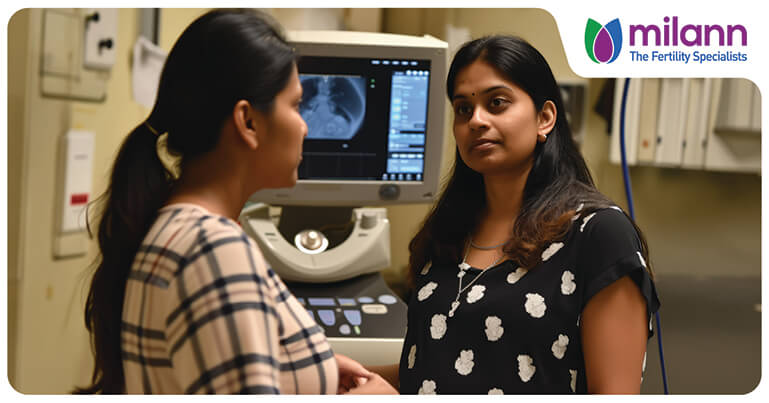
Adequate Antenatal Care They need frequent antenatal consultations. The consultations with the health center is important in the proper development and growth of babies without complication. The consultation may involve ultrasound scans, non-stress tests, monitoring of blood pressure, and blood tests.
Nutritional Support and Diet There should be adequate nutrition because the body will require more nutrients to take care of two or more babies. Thus, women who have multiple pregnancies should be on a healthy diet with iron, protein, calcium, and folic acid. A registered dietitian or other healthcare provider should be able to make recommendations for dietary modifications, taking into account the demands of a multiple pregnancy.
Altered Work and Rest A pregnancy with twins or other multiples often has to be less active because the added stress on the body causes and may lead to preterm labor. Many women have to eliminate strenuous exercise or not be on their feet for long periods of time.
Screening for Preterm Labour Since a multiple pregnancy has preterm birth associated with it, the multiple pregnancy woman is sure to be followed up for the development of preterm labor.
Inpatient Care in High-Risk Patient With multiples, there are risks like preeclampsia, TTTS, or placental problems. Sometimes, the pregnant woman may have to be admitted to the hospital in order to be monitored. Sometimes, doctors just prescribe bed rest in the hospital or early delivery because complications may arise.
Distribution Plan Multiples require careful planning in terms of delivery. Most twin pregnancies are delivered vaginally, provided the babies are in a head-down presentation and there is no other health condition with regards to the mother's health. However, if the baby or babies are in breech presentation or for any other medical reasons of the mother, a C-section would be the safest option. Triplets or other high-order multiples are delivered by cesarean section.
NICU and post-delivery care support Multiples are usually born too small for age or premature; therefore, they often require special care and more time within the NICU. The NICU offers specialised care to babies who need some help in breathing, feeding, or keeping warm inside their bodies. It is, therefore best that parents be involved with the health care providers in order to be able to ensure the babies receive needed attention to grow optimally.
Carrying multiples involves higher risk and requires special care, but with due support and clinical attention, most women are able to cope with these challenges successfully.
Reviewed by Dr. Arathi Sreedhara - Consultant Obstetrician and Laparoscopic Gynaecologist, Milann - J P Nagar.